
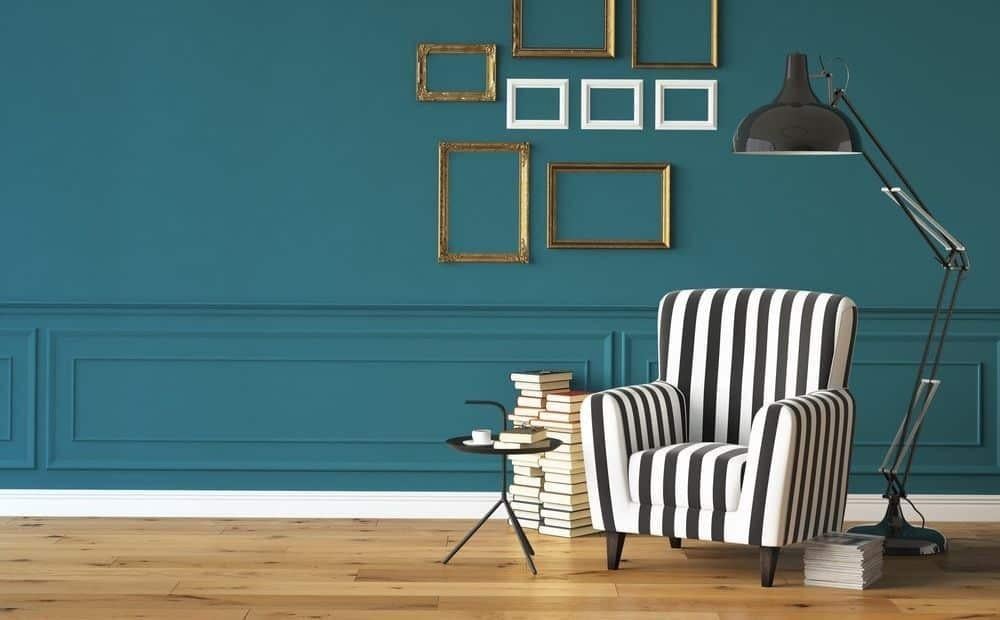
Interior design art
introduction
Interior design is an art form focused on organizing and arranging interior spaces to meet both practical and aesthetic needs. Whether you're planning a home renovation or designing a new office, understanding the fundamentals of interior design can help you create an inviting and comfortable environment.
Interior design basics
1. Understanding space
Before starting the design process, it's essential to analyze the available space. Measuring dimensions and understanding the flow of movement within the room helps in selecting appropriate furniture and accessories.
2. Choosing colors
Colors have a significant impact on mood and the feeling of space. Light colors make rooms appear larger and brighter, while dark colors add a touch of luxury and warmth.
Tips for choosing colors:
Use a consistent color palette.
Add distinctive color accents using cushions or artwork.
3. Balance between beauty and function
Furniture and accessories should be both practical and beautiful. For example, a comfortable sofa with stylish design touches could be chosen.
Check the balance of elements in the room using the "3:1" rule: three aesthetic pieces versus one functional piece.
4. Lighting
Lighting brings any design to life. A combination of natural and artificial light creates different atmospheres:
General lighting: such as chandeliers and ceiling lamps.
Important lighting: For focused lighting such as desk lamps.
Aesthetic lighting: such as wall lamps or light strips.
Interior design styles
1. Modern Style
It relies on clean, simple lines, neutral colors, and the use of materials such as glass and steel.
2. Classic Style
It is characterized by luxury and ornate details, with the use of rich colors and traditional furniture.
3. Bohemian Style
It offers a sense of freedom and diversity by using different patterns, bold colors, and natural materials such as bamboo and cotton.
4. Scandinavian Style
It focuses on simplicity and comfort, using white colors and furniture made of natural wood.
Mistakes to avoid in interior design
Overcrowding the room with furniture: Keep spaces open and easy to move around.
Color inconsistency: Choose harmonious and comfortable colors.
Excessive accessories: Simplicity is key.
Ignore the lighting: Don't rely solely on natural or general lighting.
Tips for designing a distinctive interior
Add indoor plants to bring a touch of nature.
Use mirrors to increase the sense of space.
Carefully mix different styles to create a unique design.
Let the decor reflect your personality through favorite pictures or artwork.
conclusion
Interior design is a process that combines art and science to create vibrant spaces that balance beauty and comfort. Invest time in planning and use your personal touches to create an environment that reflects your unique style. With creativity and attention to detail, any space can be transformed into a beautiful and comfortable haven.